
Introduction — a quick scene, some numbers, and one hard question
I still remember walking into a dairy barn at dawn where the lights felt more like glare than guidance — calves squinting, corners left in shadow. In that same space, a simple swap to led barn lights cut monthly energy use by roughly 40% in my experience, and raised usable light where it mattered most. That makes me ask: why do so many farms keep sticking with poor fixtures that cost more over time? (I get it — budgets are tight and habits are real.) I’ll share what I’ve learned about lumen output and power converters, why those specs matter, and the common traps I see on site visits. Let’s move from that awkward morning — and get practical about fixes that actually work.
Part 2 — Why traditional solutions fail: a technical look
What’s the real flaw in old-school barn lighting?
I’ll be blunt: many classic replacements only treat the surface problem. You can swap a bulb and still end up with poor light distribution, flicker, or frequent burnouts. When I evaluate farms I look first at driver circuitry and power factor. Cheap fixtures often skimp on stable driver circuitry, so they run hot and produce inconsistent lumen output over time. That means brightness drops faster than you expect — and the barn gets dimmer even if wattage stays the same. I’ve seen fixtures list high lumens on the box, but test results tell another story.
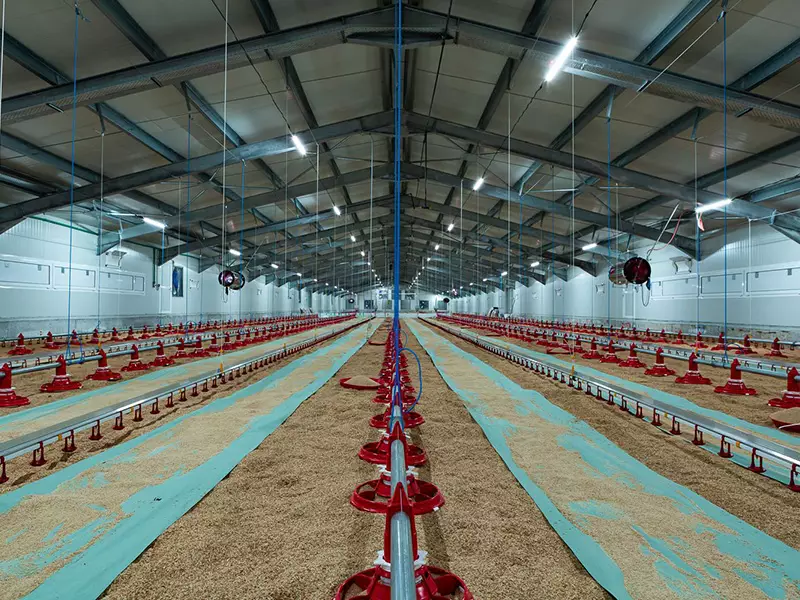
Another pain point is beam angle and mounting height. Install the wrong beam angle in a high-ceiling barn and you get hotspots and long shadows. IP rating gets ignored too; moisture and dust sneak into non-rated housings and ruin electronics. Look, it’s simpler than you think to check these things — but most buyers don’t. I use a quick checklist on site: verify driver temp behavior, confirm power factor above 0.9, and test CRI for animal work areas. That short test saves hours of trouble later — funny how that works, right? These flaws are not mysterious. They are avoidable if you look at the electronics and optics, not just the sticker price.
Part 3 — What’s next: new principles and clear metrics for better choices
How new tech changes the game
Looking forward, I favor systems that treat the barn as a whole. Modern solutions for led lights for a barn combine smarter optics with robust thermal management. For instance, better heat sinks and driver designs keep lumen output stable longer. Photocell controls and basic edge computing nodes (yes, simple ones) let lights dim when daylight is enough, saving money and extending lifespan. I like to think of these upgrades as insurance: they cost a touch more up front but cut surprises later. Semi-formal note — this is practical tech, not sci-fi.
When advising clients, I push three evaluation metrics that actually show long-term value: 1) Useful luminous flux over time (does it hold lumens after a year?), 2) System efficiency including power converters and power factor, and 3) Durability measures — IP rating and driver lifetime. Check those and you’ll dodge most mistakes. I’ve watched good choices transform barns from dim, stressful places to calm, efficient work zones. We can do better, and I’m here to help you think it through — because at the end of the day, the animals and people deserve lighting that works. For proven options, I often recommend exploring products from szAMB.
 Admin