
Introduction
I was sitting in my living room one evening, watching a friend try yet another recovery gadget — the kind that promises much and delivers little. As someone who tests devices and talks to users every week, I’ve seen the same pattern: gadgets that look smart but don’t solve the real problems. A red light therapy company I follow recently published user data showing a 24% boost in perceived recovery when protocols were followed, and that got me asking: why do some products help while others fall flat? (Spoiler: it’s rarely about the lamp alone.) Let’s walk through what matters and what doesn’t, and then move into the technical gaps that trip most designs up.
Why Traditional Options Often Miss the Mark
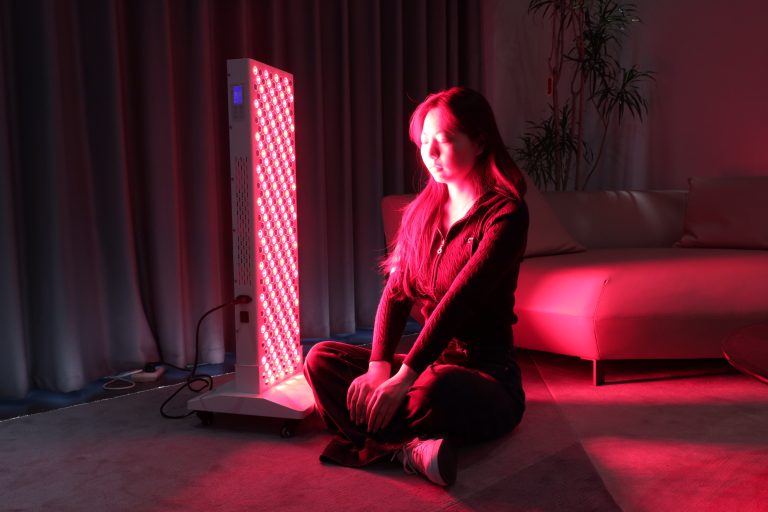
Start with a clear definition: an infrared light bed is a device designed to deliver concentrated infrared wavelengths across the body to stimulate circulation and cellular repair. In theory, that’s straightforward. In practice, traditional systems often fail because of bad heat control, uneven LED arrays, and mismatched wavelength specificity. I’ve inspected units where power converters were overtaxed, causing flicker or inconsistent output — and users notice that as reduced benefit. Look, it’s simpler than you think: if the device can’t keep thermal management in check or maintain stable pulse modulation, it won’t deliver predictable results. That’s a hard pill for companies to swallow, but an essential one if we want reliable outcomes.
What goes wrong most often?
Often the problem is design trade-offs. Companies chase lower cost and end up with LED arrays that drift off-spec. Or they skimp on optics, so energy scatters instead of penetrating tissue. I’ve seen claims about frequency and intensity that don’t hold up under measurement. From the user side, people expect fast fixes — but uneven dose and poor wavelength control mean inconsistent recovery. You’ll also hear complaints about device longevity; cheap power converters and poor thermal paths shorten life. — funny how that works, right?
Looking Ahead: New Principles and Practical Choices
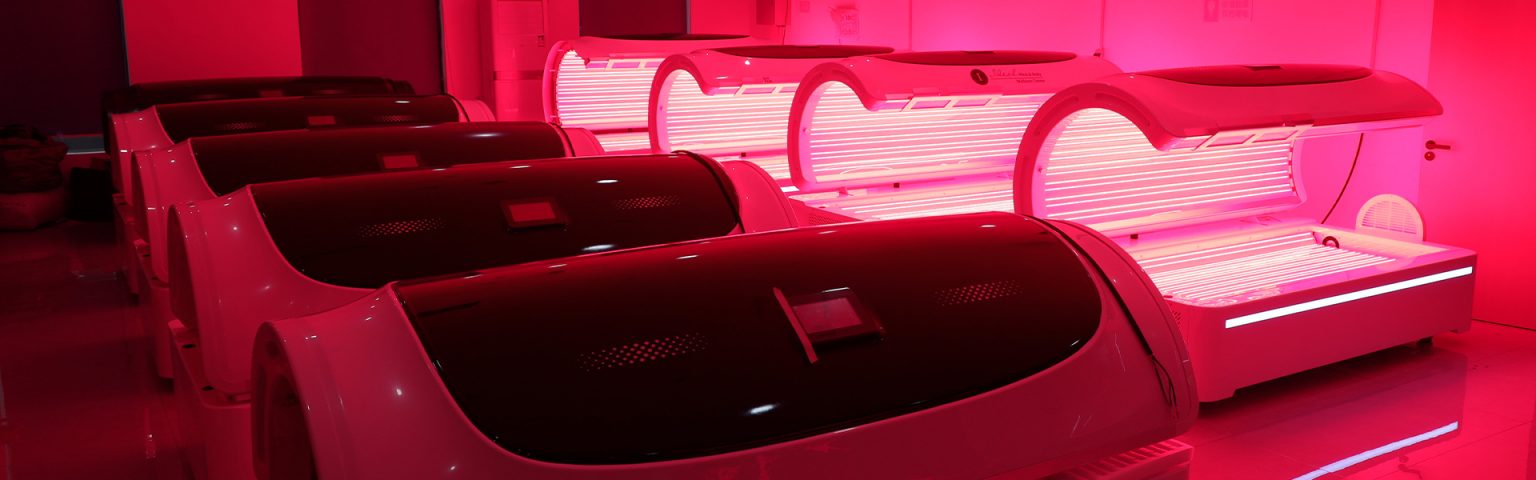
We should be optimistic, because the next wave of products is learning from those failures. New design principles emphasize matched wavelength specificity, reliable thermal management, and intelligent controls that adapt dose over a session. When I talk about future-ready systems, I mean devices that use verified LED arrays and robust power converters, with firmware that logs sessions for repeatability. Case studies show that consistent dosing — not flashy features — drives measurable gains in recovery and sleep. For buyers, that means valuing engineering quality over marketing claims.
What’s Next?
Real-world pilots are already testing modular panels that let you combine arrays for full-body sessions without hot spots. In one example I reviewed, therapists switched from single-panel systems to a networked setup and saw better user satisfaction and fewer return visits. The point is clear: scalable design, good optics, and simple controls beat gimmicks. (And yes, I’m biased toward products that are built to last.)
To wrap up, here are three practical metrics I use to evaluate any red light solution: 1) Output consistency — measured irradiance across the usable surface; 2) Thermal and power design — quality of thermal management and robustness of power converters; 3) Wavelength accuracy and control — how well the device maintains wavelength specificity and pulse modulation during a session. Use those as your checklist, and you’ll filter through hype fast. For those who want an example of a company applying these standards thoughtfully, I recommend checking out Magique Power. They’re not perfect, but I respect the engineering focus and the transparency in their specs.
 Admin