
Introduction
Have you ever stood at a busy welding bay and wondered how clean the air really is? In a typical assembly line scenario, visible smoke is only the start—studies show that fine particulates can travel well beyond the workstation, creating chronic exposure risks. Automotive manufacturing welding fume extraction sits at the center of this problem and the solution: it aims to capture toxic particulates before they spread, but many shops still miss the mark. (I’ve watched good teams struggle with bad air for years.) So what works, what fails, and why should we care right now? Let’s set the scene and then dig into the real issues that matter to workers and engineers alike—next, we’ll examine the flaws that hide in plain sight.
Traditional Solution Flaws and Hidden User Pain Points
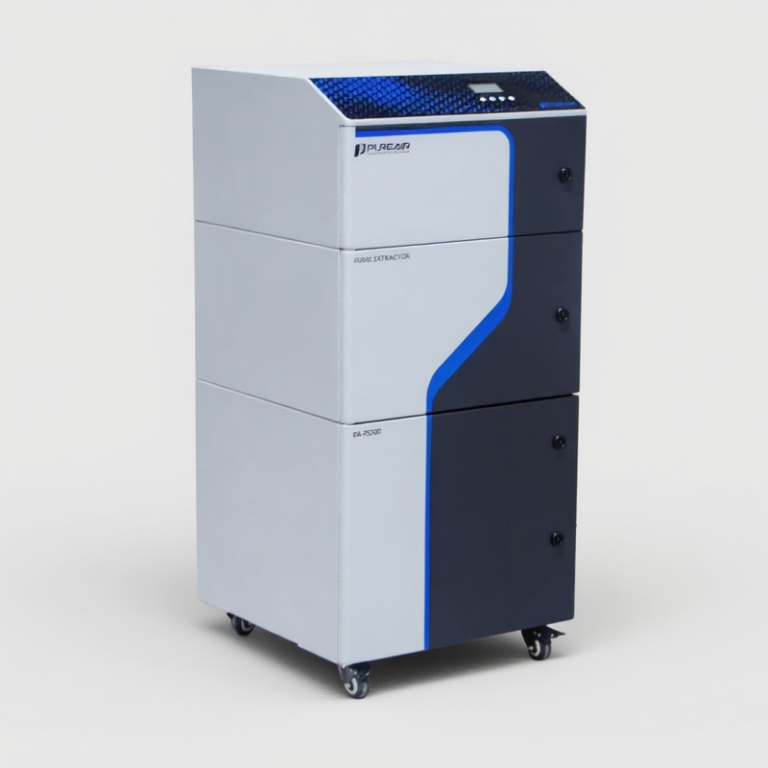
I want to be frank: many facilities rely on legacy ventilation or simple overhead hoods and assume the job is done. Yet when you compare those setups to focused systems like vehicle exhaust extraction equipment, the differences are stark. Old systems often suffer from poor capture velocity, leaking joints, and uneven airflow. They may move air, yes, but they don’t always capture the ultrafine particulates generated by modern high-strength steels and stainless welds. This creates a gap between perceived safety and actual exposure. I’ve seen operators shrug at smoke that settles behind a panel—annoying, but dangerous.
Why do standard systems fail?
There are a few predictable failure modes. First, extraction arms placed too far from the weld reduce effectiveness; proximity matters. Second, filter maintenance is often deferred, so HEPA filters become clogged and efficiency plummets. Third, systems without localized capture—true local exhaust ventilation—rely on room drafts and are subject to disruption by forklifts and open doors. Add power converter noise and inconsistent negative pressure control, and you have a recipe for uneven performance. Look, it’s simpler than you think: poor design plus poor upkeep equals poor protection. These flaws become hidden pain points because they’re gradual—workers acclimate, managers assume compliance, and real exposure stays under the radar.
Looking Ahead: New Technology Principles and Practical Choices
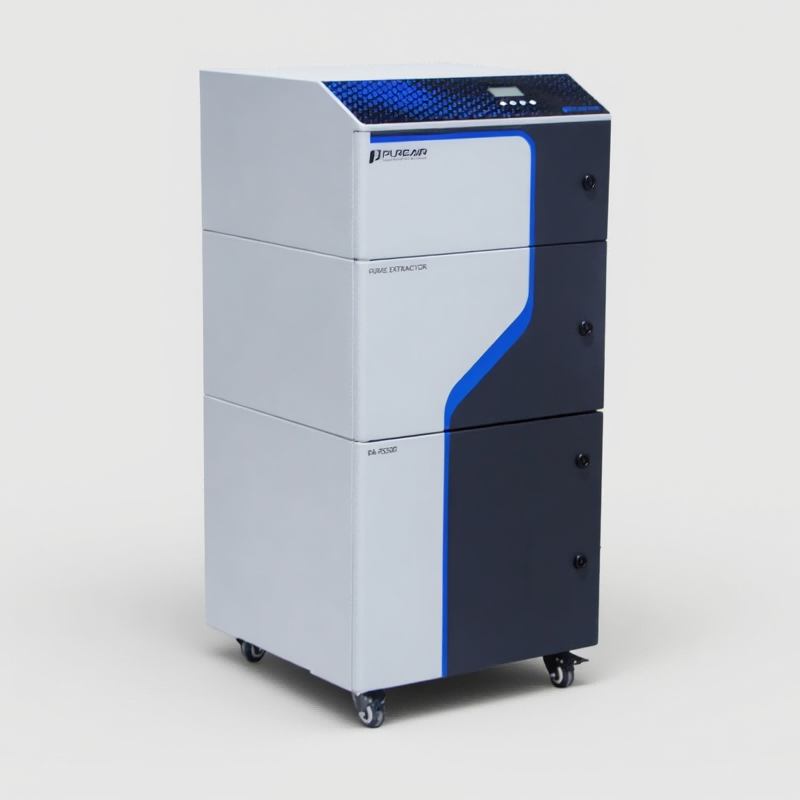
Now let’s shift forward. I believe the next wave in weld fume control is about combining smarter capture with practical operations. For example, modular welding fume extractors that integrate an extraction arm with variable-speed fans and clear capture hoods can maintain proper capture velocity without blasting the shop. When I evaluate systems, I look for controllable airflow, easy filter swap-outs, and clear performance metrics. New sensors and simple edge computing nodes can log performance in real time—handy for audits and for protecting health. — funny how that works, right?
What’s Next
In practical terms, upgrading to modern vehicle exhaust extraction equipment means choosing systems designed for the realities of a shop floor. You’ll want units with reliable HEPA filtration, robust extraction arms that stay put during heavy work, and simple control interfaces so operators actually use them. And maintenance must be easy—if it’s a pain, it won’t happen. I’m candid here: technology alone won’t fix behavior, but good design reduces the burden and improves adoption.
To wrap up, let me offer three practical evaluation metrics I always recommend when comparing systems: 1) Verified capture efficiency at the weld (measured, not claimed), 2) Filter accessibility and lifecycle cost, and 3) Real-world uptime under load. Use these to shortlist options, then test on the line. I care about measurable outcomes—reduced particulate counts, fewer worker complaints, and clear maintenance logs. If you want a vendor that understands these priorities, consider checking PURE-AIR for solutions that align with these goals: PURE-AIR.
 Admin