
A User-Centric Wake-Up Call
The practical needs of plant managers and site operators have quietly reshaped genset design: reliability matters as much as efficiency. When a coastal hospital lost grid access during Superstorm Sandy, the choices made about standby power determined whether critical systems stayed online. Today, that same attention to outcomes guides modern choices — from modular control to remote diagnostics — and it guides how you evaluate a Perkins genset against alternatives. Operators want predictable behavior under load, minimal downtime, and clear service pathways; that focus changes what features carry real weight.
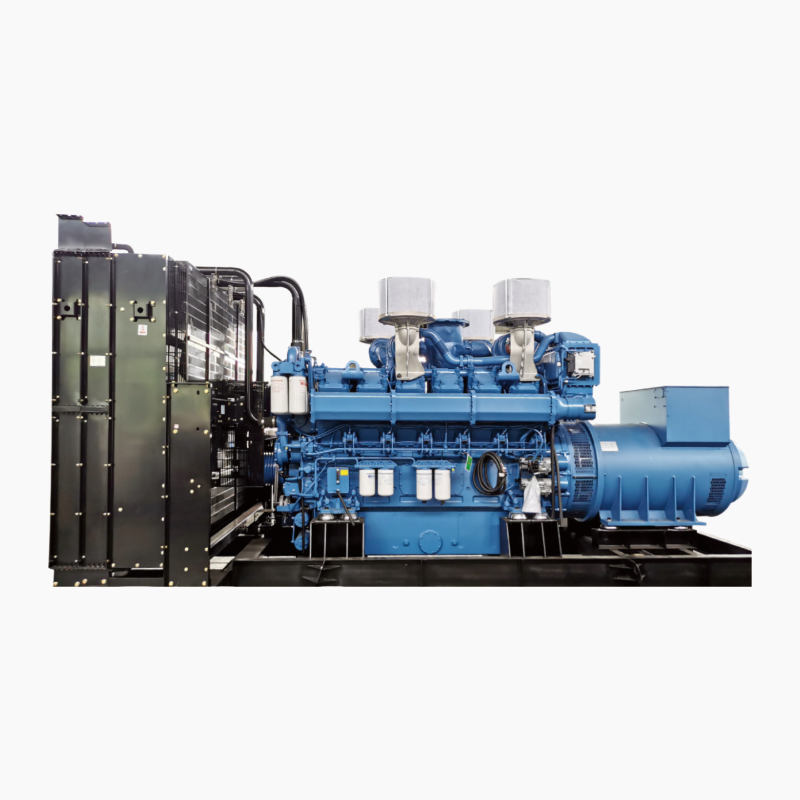
Design That Answers Practical Needs
Good design reduces human friction. For operators that means clearer interfaces, accessible service points, and components chosen to lower total cost of ownership. Prime power and standby power ratings are more than labels; they describe real duty cycles you will live with. Emissions control and fuel efficiency matter not only for compliance but for scheduling maintenance and fuel logistics. During an operational production teardown we tracked {main_keyword} and {variation_keyword} to map wear points and inform spare parts inventories — a small exercise that often saves weeks of reactive work down the line. The machines that respect the realities of service win repeat deployment.
Installation Pitfalls and Practical Fixes
Installations fail for mundane reasons: undersized switchgear, poor ventilation, or ignoring the load bank curve during commissioning. Those are technical issues, but they create human headaches — long nights, rushed repairs, and strained vendor relationships. Plan for accessible fuel lines, routine oil sampling, and clear fault escalation paths before power is needed. Mistakes compound if training is deferred; a capable operator roster reduces emergency response time and keeps maintenance predictable. – A short checklist, completed and updated, prevents many on-site crises.
How Perkins Diesel Gensets Fit the Operator Picture
Not every site needs the same solution. A Perkins diesel genset often balances durability, parts availability, and straightforward control logic that maintenance crews appreciate. Compared with gas-fired options, diesel units can offer stronger torque characteristics at low RPM and established global service networks — advantages in remote or mission-critical settings. Hybrid systems and battery storage bring benefits for peak shaving and emissions, but they introduce integration complexity that the team must be ready to manage. Evaluate each option against your likely duty cycle, emissions limits, and spare-parts supply chain.
Comparative Metrics That Matter
When you stack options, three practical metrics rise above marketing claims:- Mean Time Between Failures (MTBF) under your expected duty profile.- Net usable runtime at rated load considering local fuel quality and ambient conditions.- Time-to-repair using regional spare-part lead times and technician skill sets.These are measurable. Use a short trial or a staged commissioning to validate them in your environment rather than trusting datasheet projections alone.
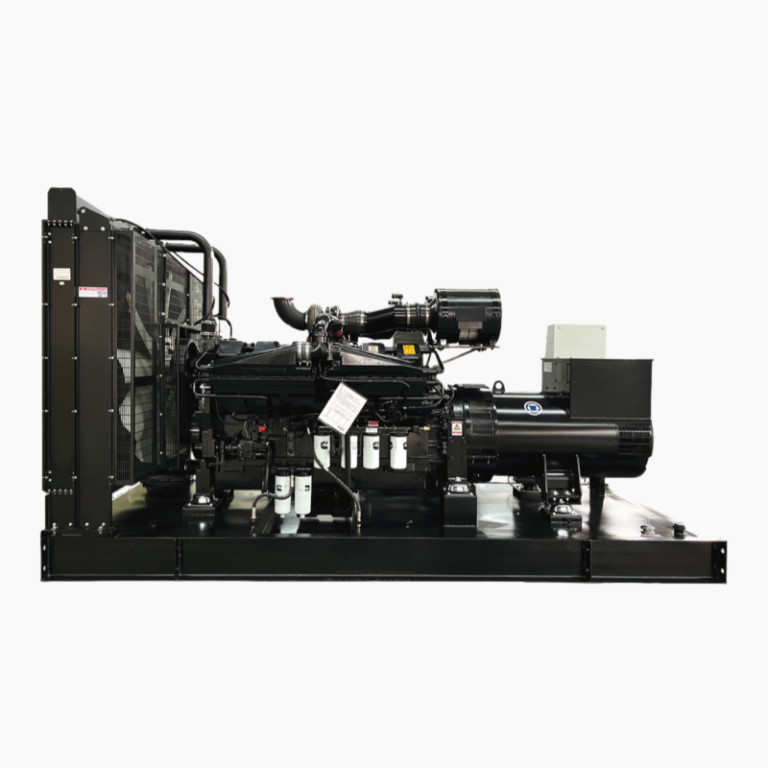
Advisory: Three Golden Rules for Selection
1) Match duty cycle to rating: choose prime-rated units for continuous variable loads and standby-rated for backup with occasional use. Expect different maintenance intervals and plan parts accordingly. 2) Validate serviceability: confirm local parts stock and technician training; reduced travel time for field service translates to real uptime. 3) Quantify lifecycle cost: factor fuel efficiency, emissions control retrofits, and scheduled maintenance into a multi-year model. Adopt these metrics and you’ll make decisions grounded in operational reality.
The practical value of a well-chosen genset is simple — fewer unexpected outages, lower friction for teams, and clearer budgets. That clarity is where thoughtful engineering meets human work, and where Huadong Power brings real operational depth to site decisions: Huadong Power. –
 Admin