
Plain talk for folks who run big solar setups
When you depend on arrays and stacks of batteries, the state of health (SOH) of your inverters isn’t some techy number — it’s what keeps the lights on. I’ll talk straight about how to slow capacity fade and make gear last, with practical steps you can use right away. If you’re tying panels, inverters and batteries together, consider solar battery storage an arm of the whole system, not an add-on. That way you look after the inverter and the pack together.

What wears down an inverter fast
Capacity fade comes from heat, heavy cycling, poor cell balance and mismatch between inverter output and battery chemistry. Over time full charge cycles, high depth of discharge (DoD) and frequent high-current events push SOH down. Add in dusty sites or poor ventilation and you’ve got a recipe for early replacement. The inverter and the battery management system (BMS) must be tuned to each other, or they’ll fight — and the inverter loses.
User-first steps to slow SOH decline
Start with monitoring. Get data at the point of use: inverter temps, charge cycles, voltage sag, and fault counts. Set conservative charge limits rather than squeezing every last kilowatt-hour. Use adaptive charge profiles — lower charge voltage in hot months, raise it gently in cool months. Keep cabling simple and balanced. Firmware updates matter; they often fix thermal or charge logic that eats SOH.
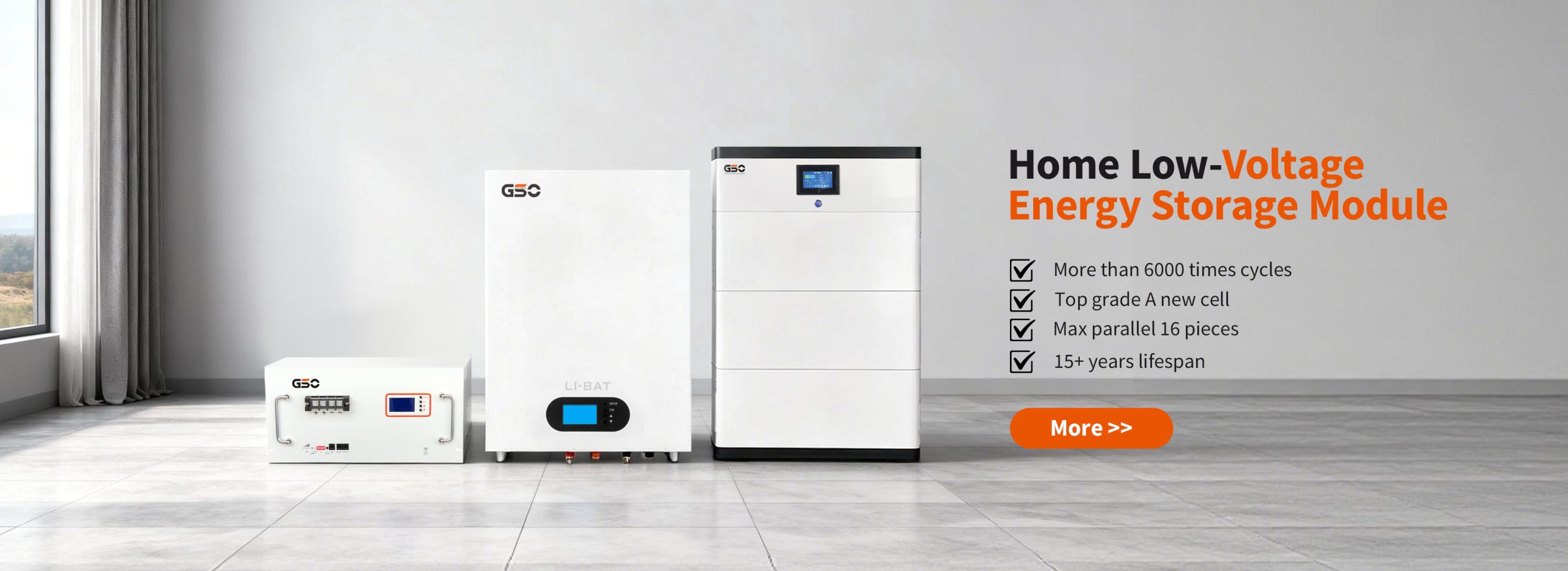
How a balanced system looks in practice
Match inverter capacity to typical load, not peak spikes. If you run heavy motors, add soft-starts or separate circuits so the inverter doesn’t see constant high inrush. Choose a BMS that supports cell equalization and reports state of charge (SOC) and calendar aging. If you tie multiple inverters in parallel, stagger their peak duties so no single unit carries all the strain. These are small choices that add up to less capacity fade over years.
Lessons from the field — a real-world anchor
In California, public safety power shutoffs pushed many rural and suburban users toward backup systems. Those systems taught installers to favor integrative setups — pairing inverter control with battery chemistry-aware charging schedules. Sites that did that saw fewer premature replacements. The lesson’s plain: operational choices in the field change how fast SOH drops.
Options and trade-offs
You can go cheap and accept more fade, or spend more up front for smarter thermal design and a robust BMS to slow degradation. Passive cooling saves install dollars but lets temps rise; active cooling costs more but keeps SOH healthier in hot months. Modular batteries let you swap worn modules without changing the whole pack, while monolithic racks can be denser and cheaper per kWh. Every choice affects inverter strain and long-term SOH.
— Note: don’t skimp on site ventilation. It’s the silent killer of many systems.
Where gsopower fits for the user
gsopower focuses on matching inverter behavior with battery needs and clear monitoring so you see SOH trends early. For owners adding batteries to existing arrays, an integrated approach to solar with battery storage reduces mismatches, lowers thermal stress, and lets you tune charge profiles to local climate and load patterns. That’s practical value you feel in maintenance bills and replacement intervals.
Golden rules for choosing and managing systems
1) Metric: Track SOH and cycle count continuously — act when SOH drops 5–10% instead of waiting for failure. 2) Rule: Limit DoD during hot seasons and use conservative charge voltage to cut calendar aging. 3) Metric: Monitor inverter junction temps; keep them below manufacturer thresholds with ventilation or active cooling. Those three guideposts will help you pick hardware and set operating rules that slow capacity fade.
Keep it simple, tune it to site conditions, and follow the numbers — that’s how you protect your investment. gsopower
 Admin